Category: Hair Loss Causes & Science

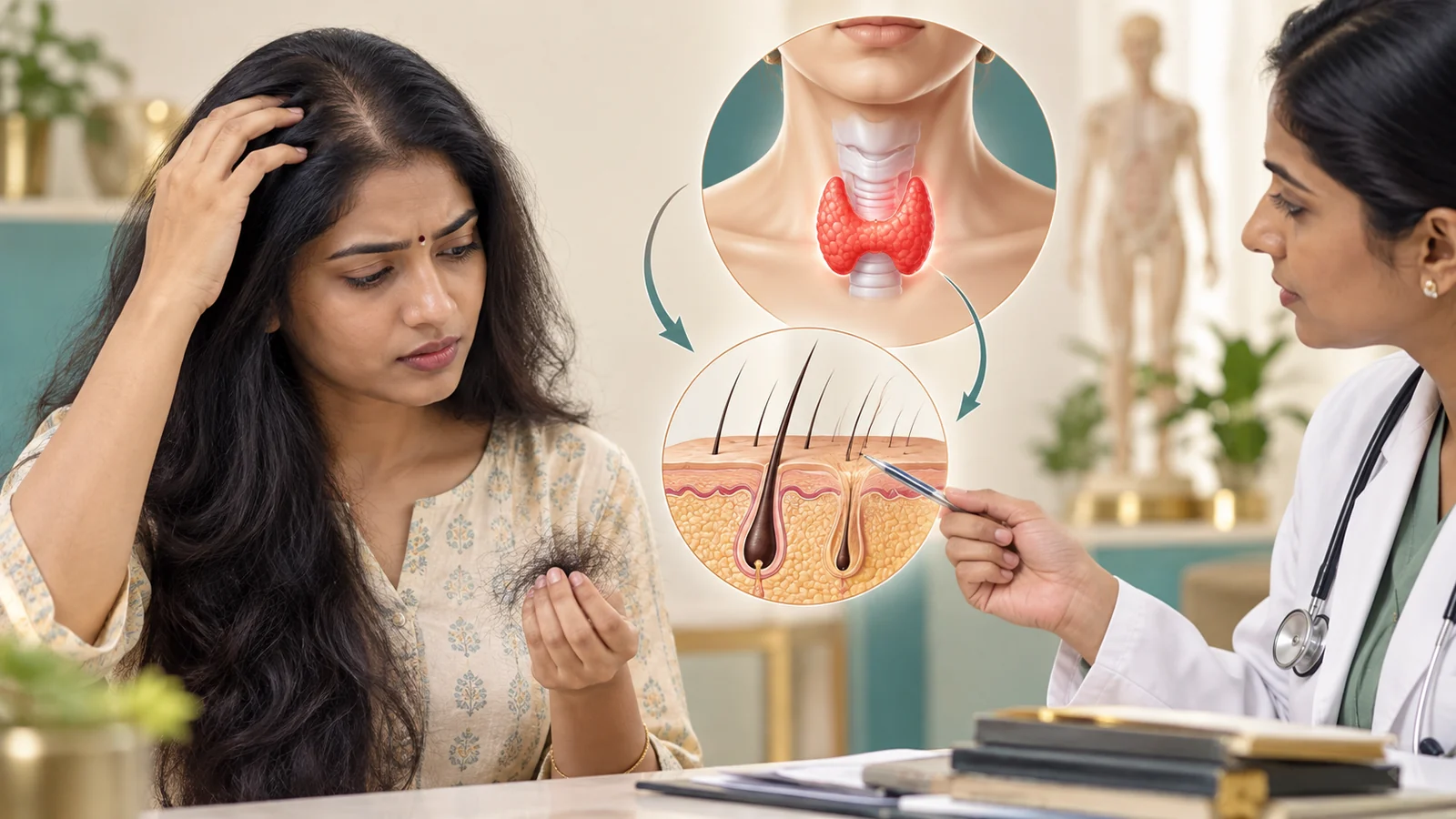
Thyroid Hair Loss in Indian Women: Why It Happens and When Hair Grows Back
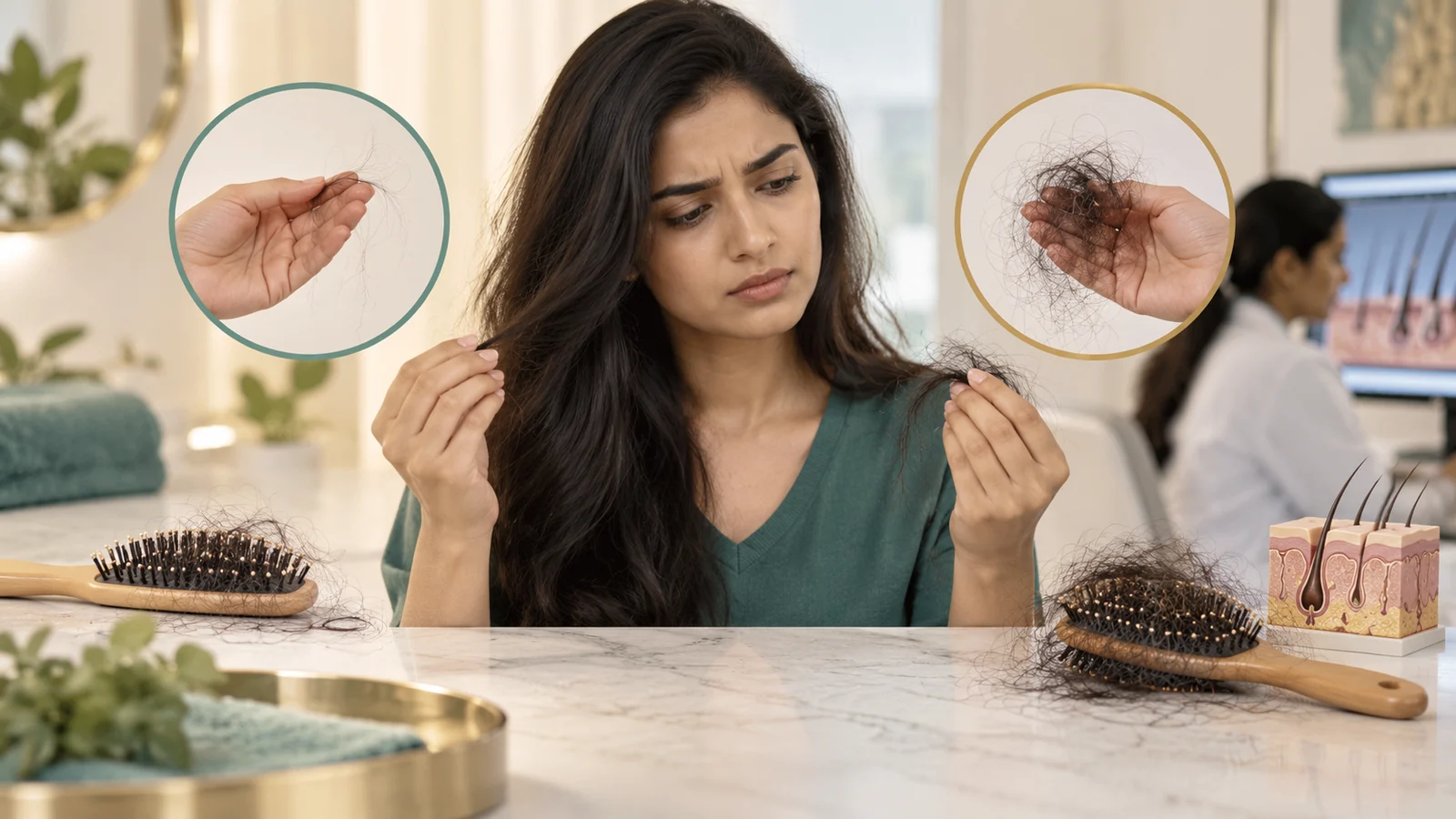
There is a pattern I see almost every week in clinic. A woman in her thirties or forties comes in holding a folder of thyroid reports. Her TSH is now normal. Her endocrinologist is satisfied. And yet her hair is still coming out in the shower, still thinning across the crown, still refusing to behave.…
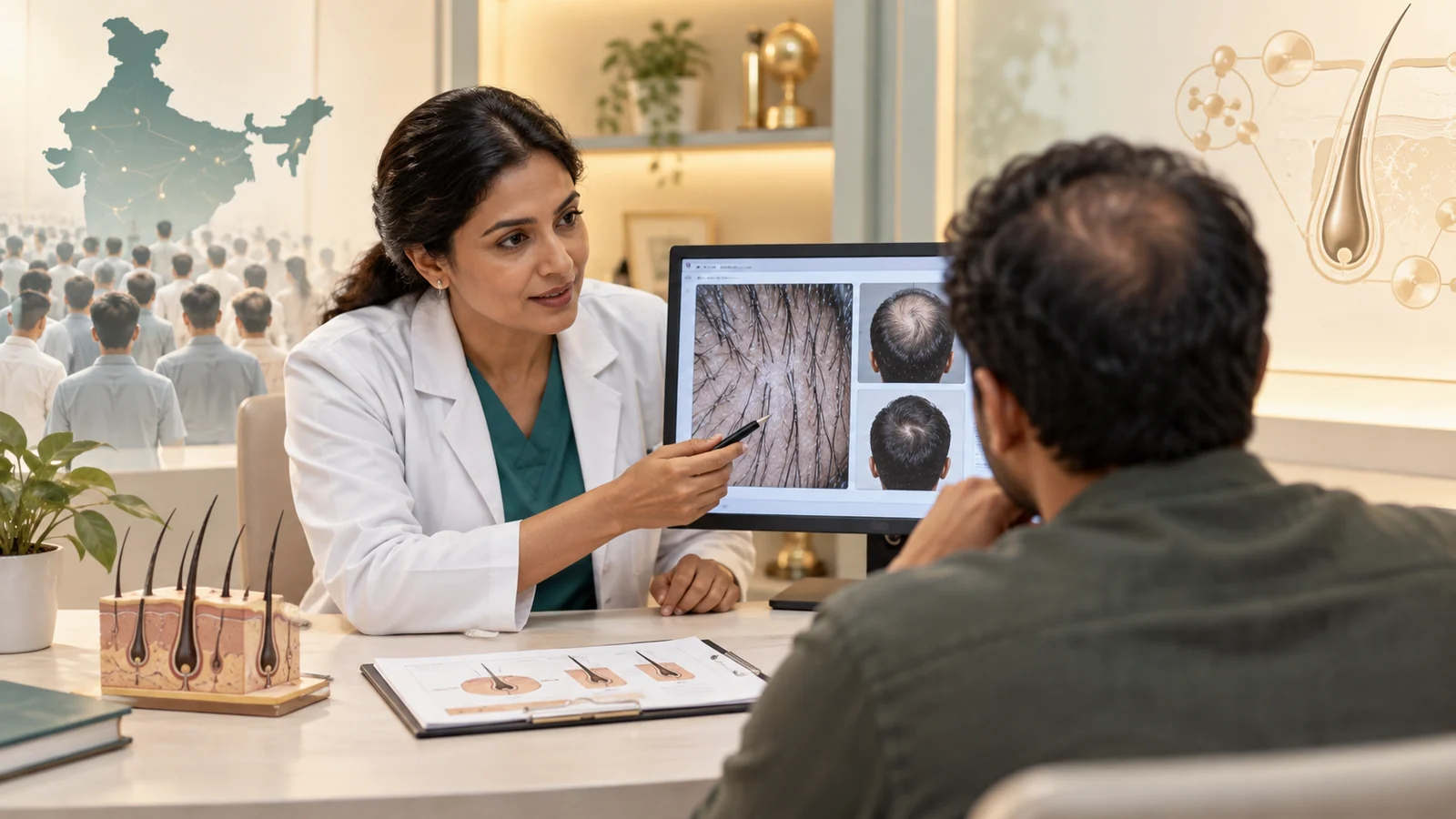
Hair Loss Treatment in India 2026: What 10,000+ Patients Taught Me About What Actually Works
I want to be honest with you before you read another word. You’ve probably already tried something — a shampoo, a supplement, an oil your mother recommended, maybe even a medicine from a dermatologist. And if you’re still reading about hair loss treatment in India, it’s because whatever you tried either didn’t work, didn’t work…
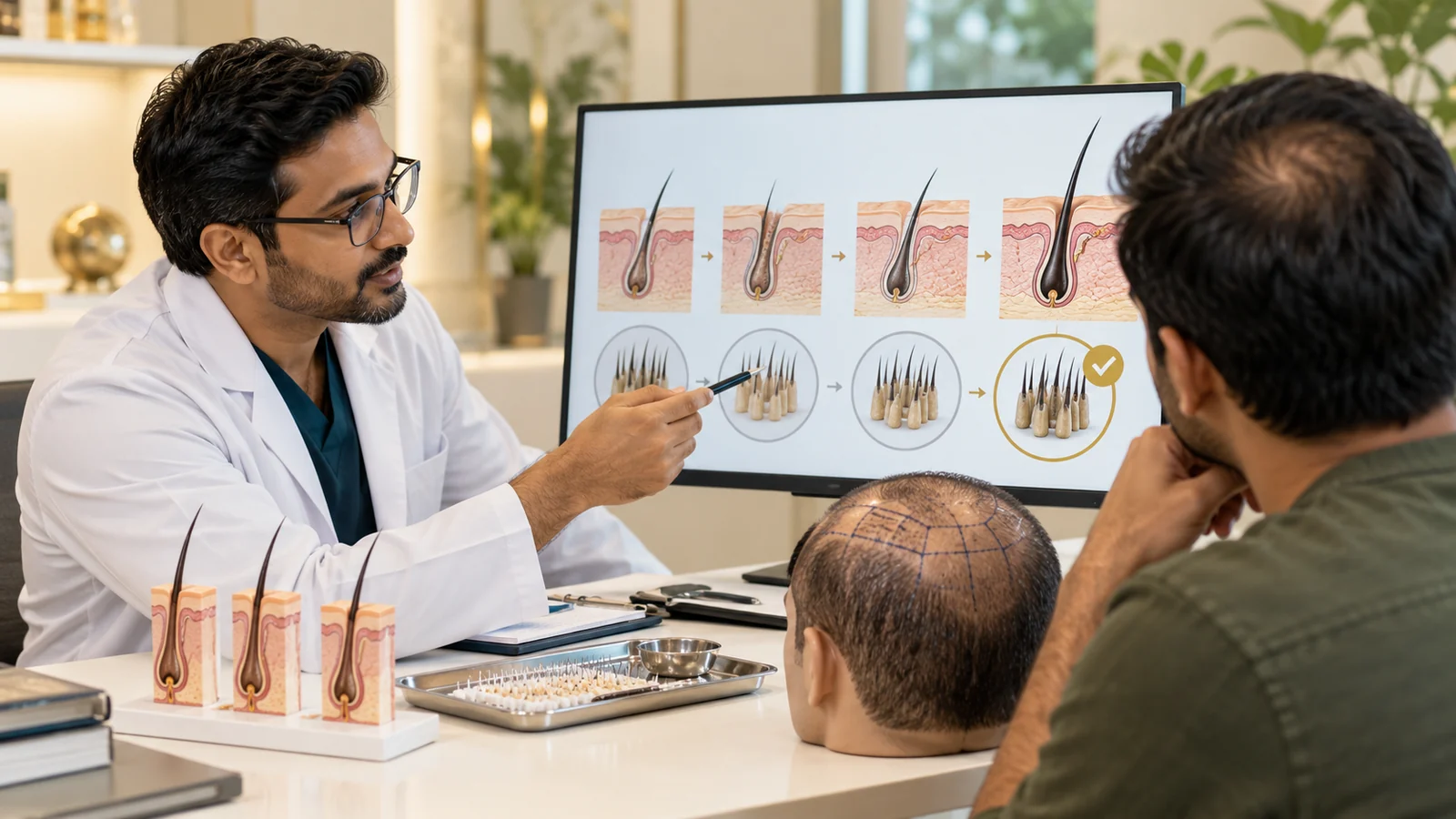
Graft Survival Rate in Hair Transplants: What Indian Patients Must Know
By Dr. Nav Vikram Kamboj, Director, NeoGraft Hair Clinic, Chandigarh There is one number that determines whether your hair transplant succeeds or fails — and most clinics in India will not tell you what it is until after you have paid. That number is your graft survival rate. It is the percentage of extracted hair…
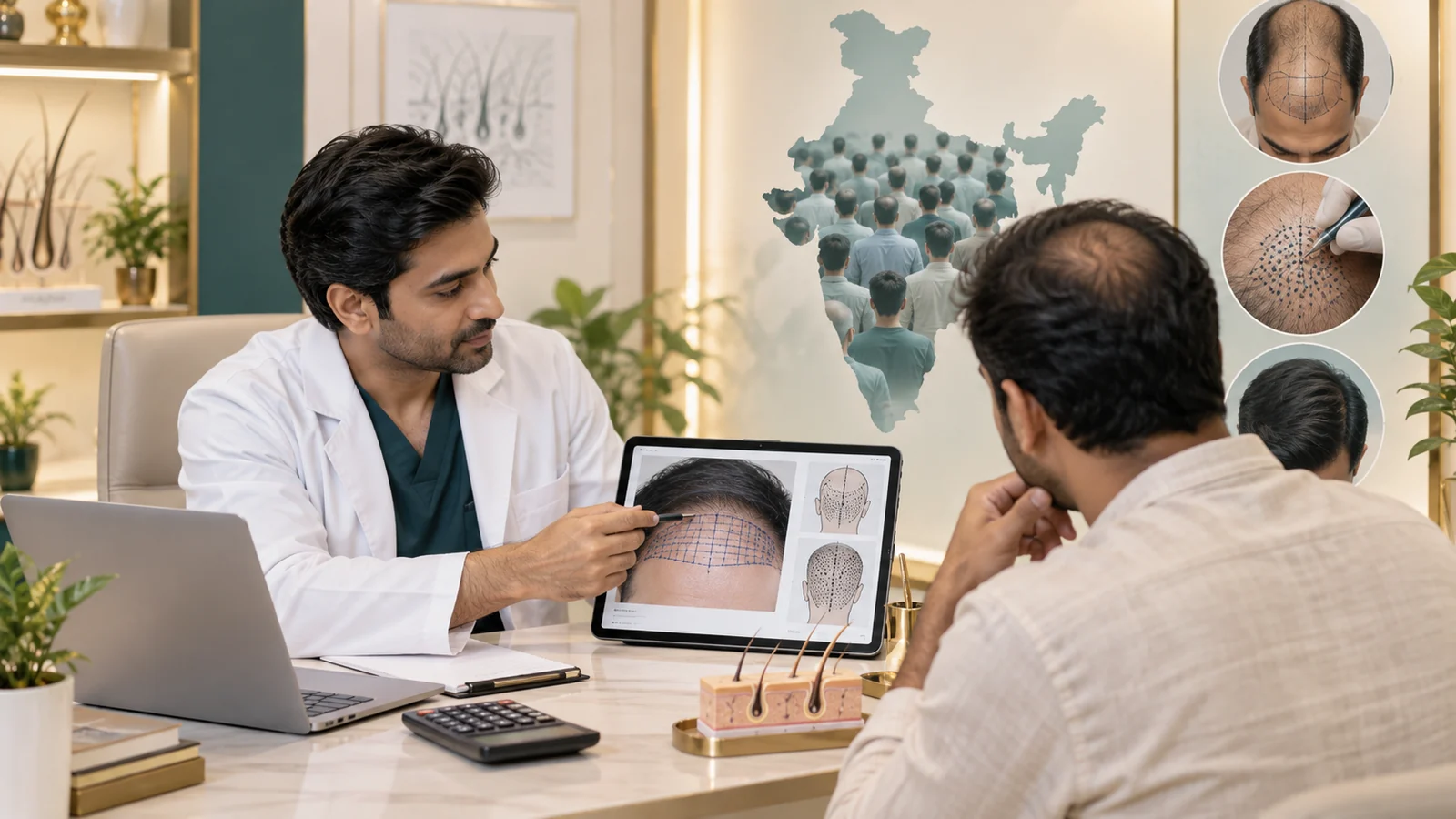
Hair Transplant Cost in India 2026: What 10,000+ Patients Taught Us
What does a hair transplant actually cost in India in 2026? Dr. Nav Vikram shares honest, city-wise pricing, per-graft breakdowns, and why NeoDHT delivers more value.
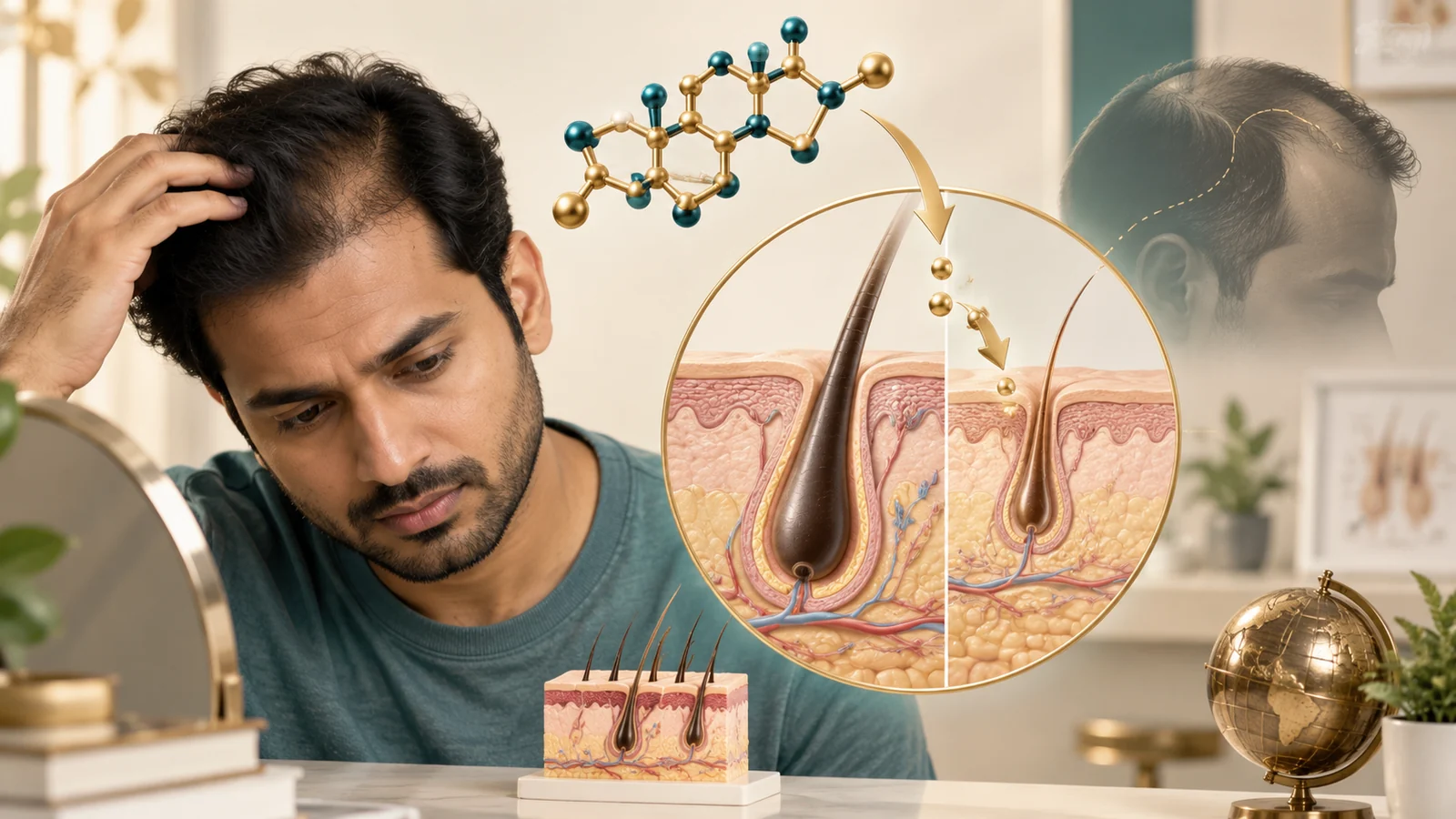
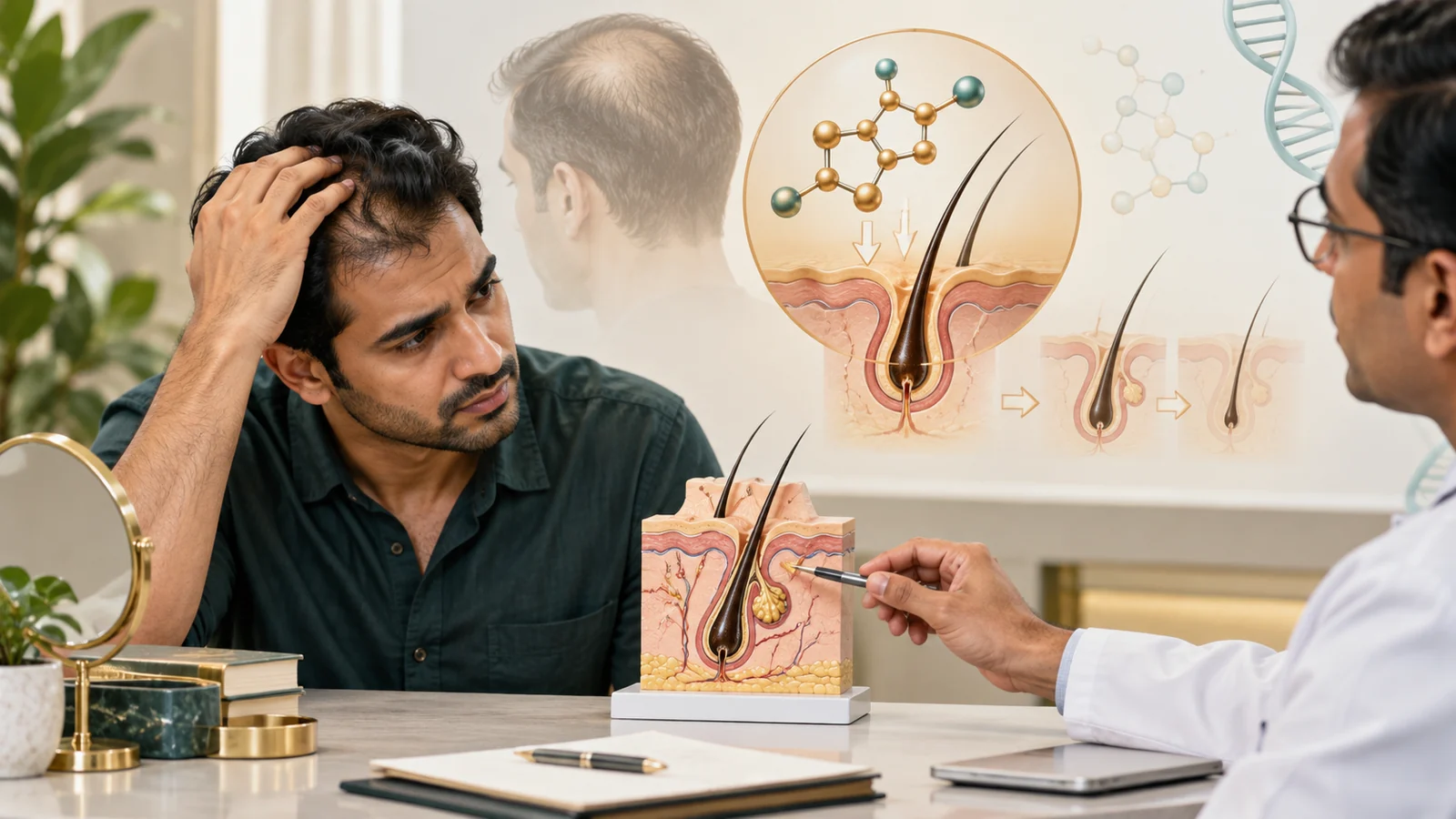
DHT and Hair Loss in Indian Men: The Hormone Behind Male Pattern Baldness Explained
5-AR Key Enzyme 50%+ Indian Men by Age 50 Genetic Primary Cause Treatable With Right Approach Every week in my trichology consultation room, I sit across from men in their 20s and 30s who are genuinely confused about why their hair is falling — men who eat protein, exercise, and take care of themselves. They’ve…
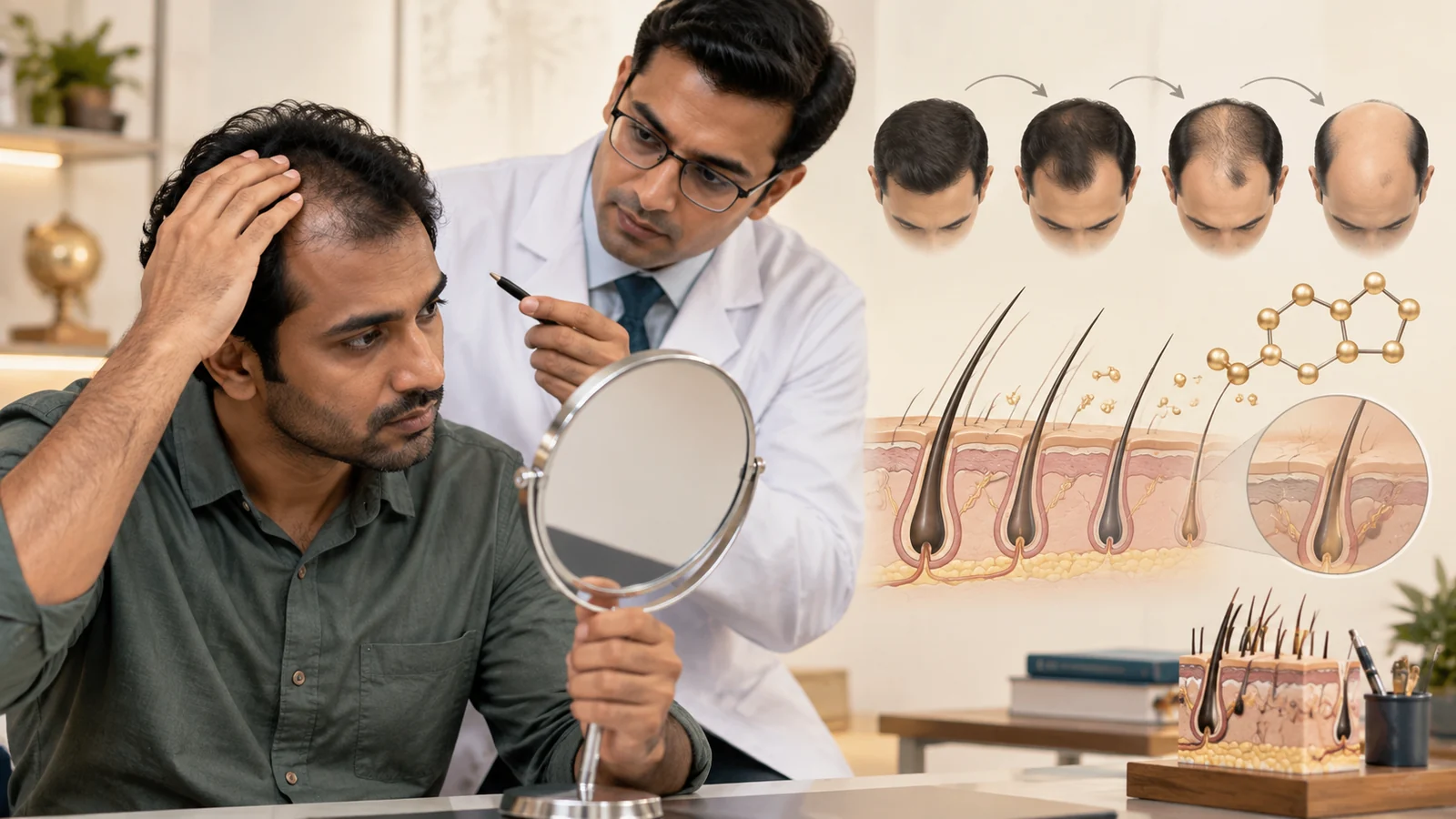
Androgenetic Alopecia in Indian Men: What the Science Really Says About Male Pattern Baldness
50%+ Indian Men by Age 50 Genetic Primary Cause Norwood Classification Scale Treatable Medical + Surgical Male pattern baldness — medically termed androgenetic alopecia (AGA) — is the most common form of hair loss in men worldwide. Yet despite its prevalence, it remains one of the most misunderstood conditions in clinical practice. Indian men are…
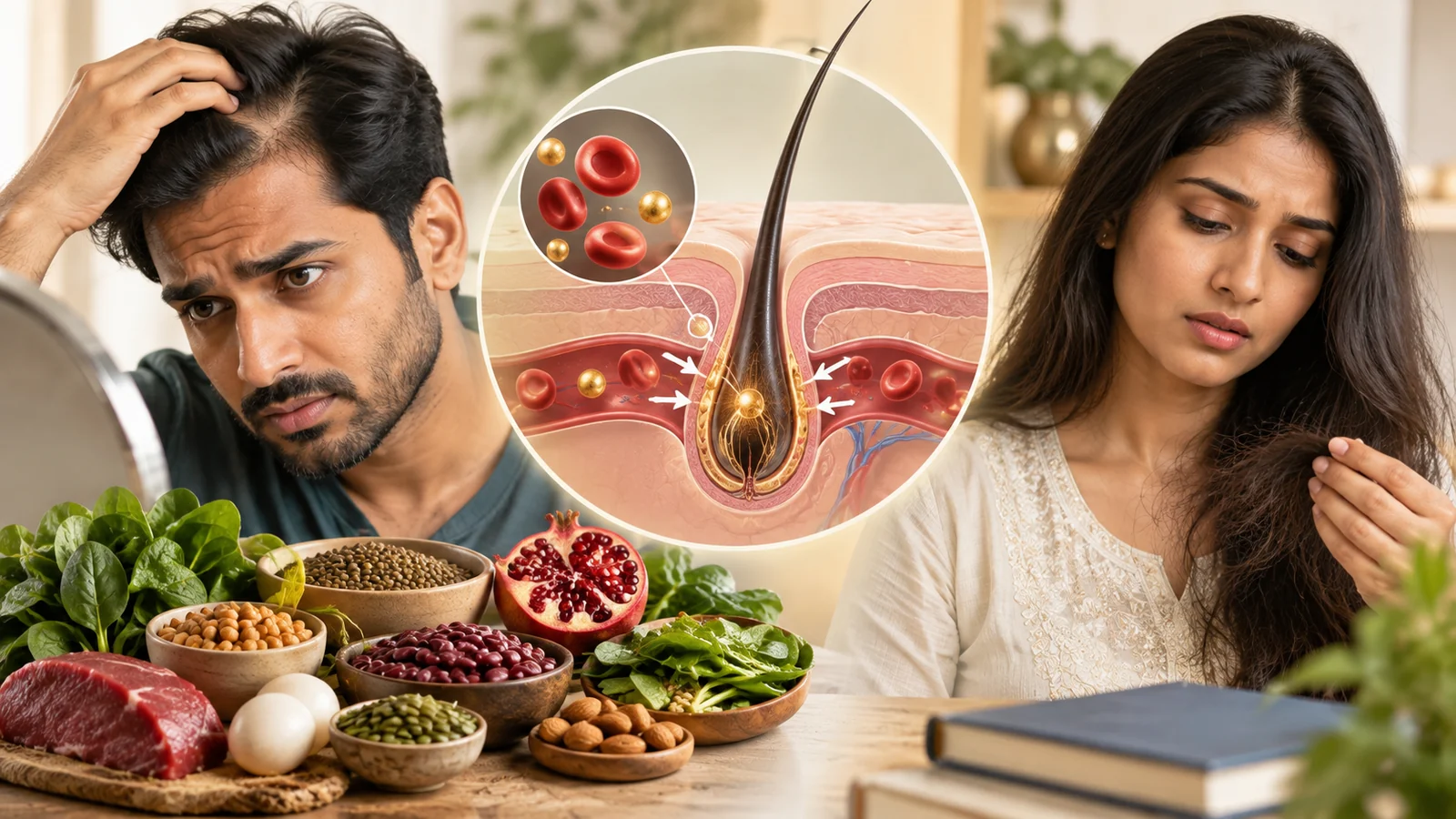
Iron Deficiency and Hair Loss in Indian Men and Women: What the Evidence Shows
50%+ Indians Iron Deficient 2nd Most Common Hair Loss Cause Reversible With Correct Treatment Ferritin Key Marker to Test The Science Behind Iron and Hair Follicle Function Iron is essential for ribonucleotide reductase — the enzyme responsible for DNA synthesis in rapidly dividing cells, including hair matrix cells. The hair follicle is one of the…
DHT and Hair Loss in Indian Men: The Science Behind Why You’re Losing Hair (And What Actually Stops It)
Are you an Indian man between 25 and 45? If you’ve noticed your hairline creeping back or your crown thinning, there’s a very good chance a molecule called DHT is responsible. The culprit is not stress, pollution, or even the water — though those certainly don’t help. In fact, the primary driver behind over 95%…
The Gut-Hair Connection: What New Research Tells Indian Men About Hair Loss
Microbiome The New Frontier Inflammation Key Mechanism Diet Modifiable Factor Research Emerging Evidence The Science Behind Gut Health and Hair Loss Most men who visit a trichologist arrive with a simple belief — their hair loss is either genetic, stress-related, or caused by poor shampoo choices. What they rarely suspect is that the answer might…
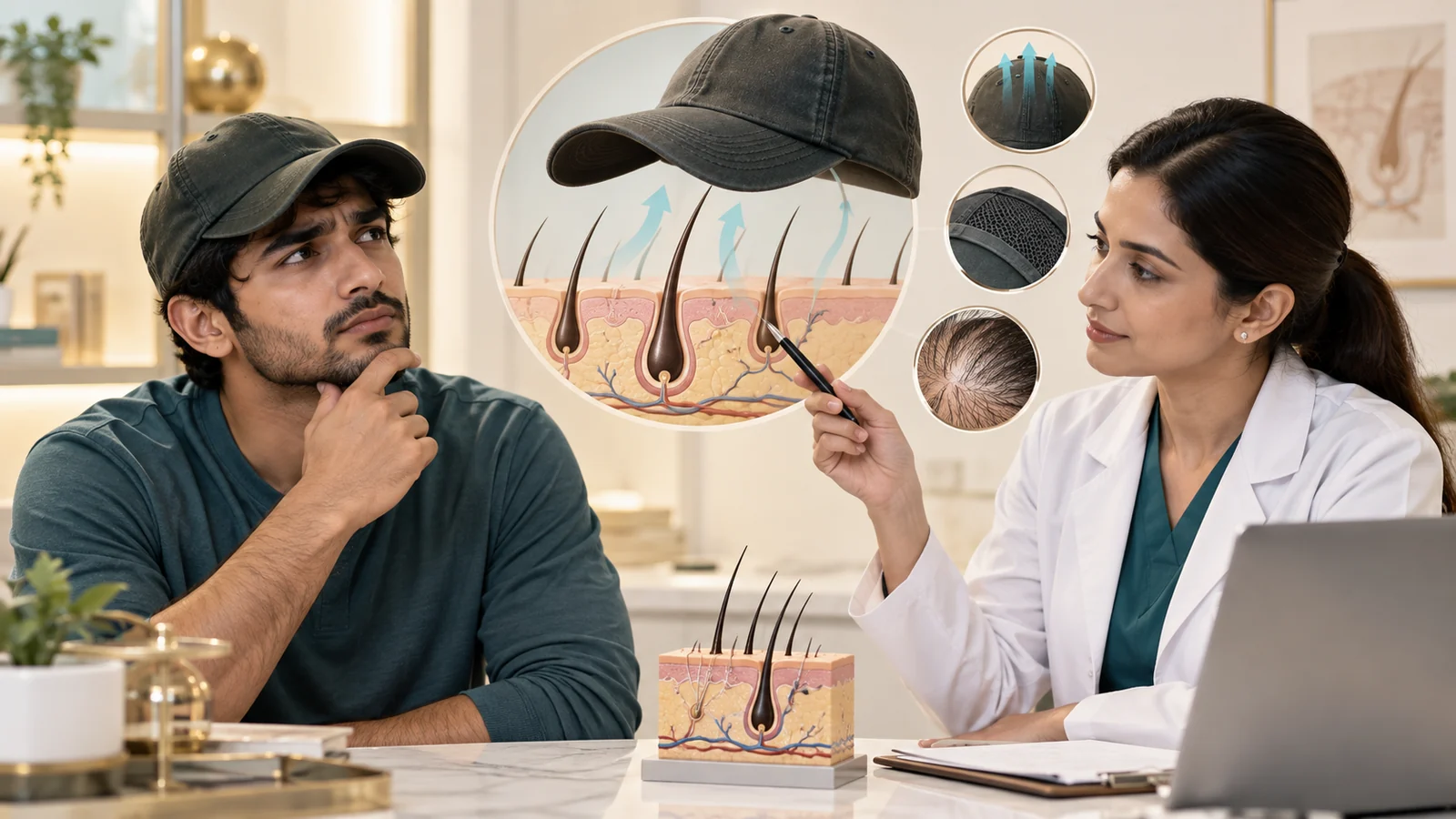
Does Wearing a Cap Cause Hair Loss? Expert Answer | NeoGraft Chandigarh, Punjab & India
No Hats Do NOT Cause Baldness Myth Common Misconception DHT Real Hair Loss Driver AGA Genetic Condition The Truth: Hats Do Not Directly Cause Baldness The simple, definitive answer is no — wearing a cap, hat, or any head covering does not cause androgenetic alopecia (male pattern baldness). This is one of the most persistent…
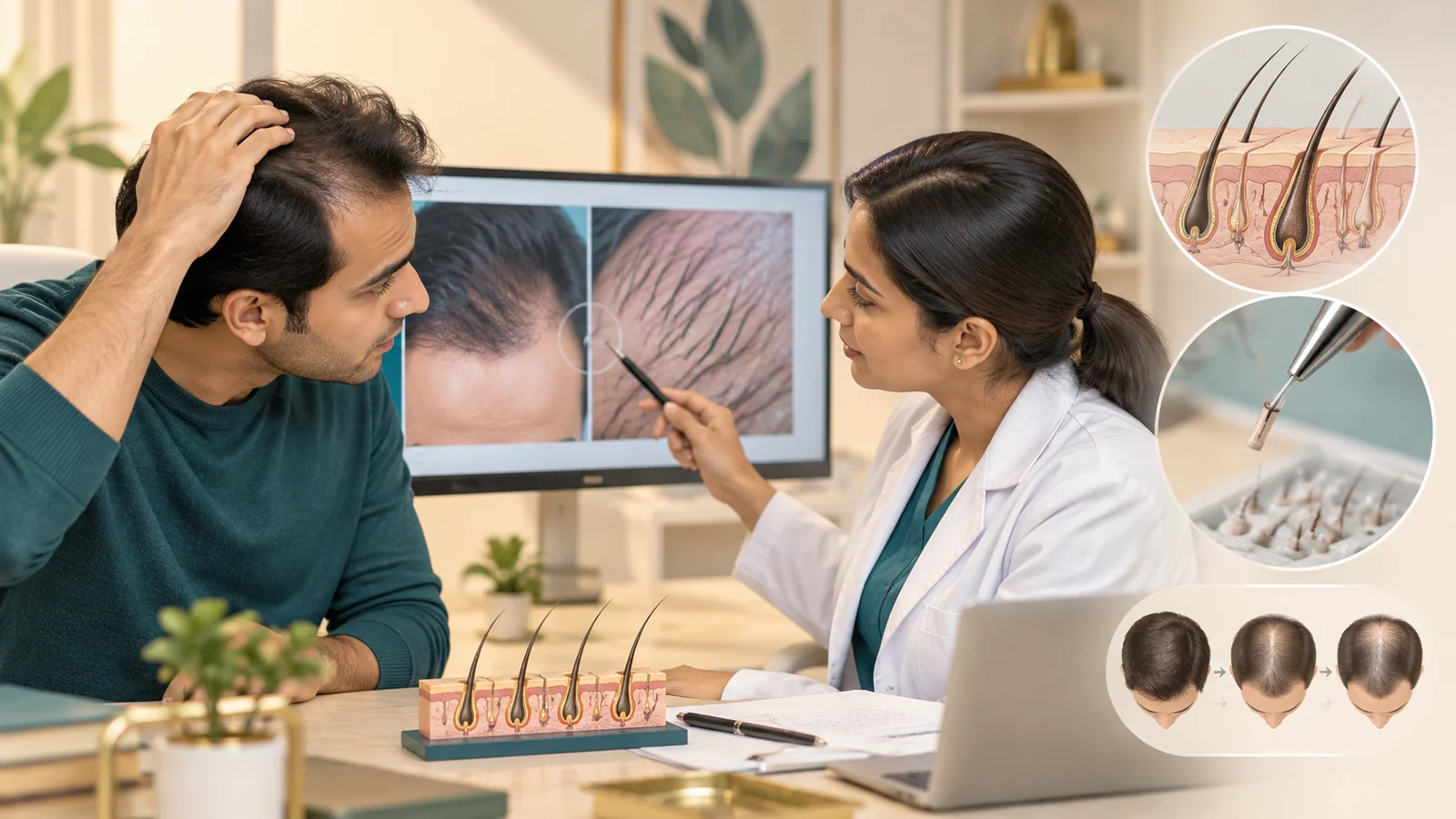
Stage 1 Hair Loss Symptoms & Treatment | NeoGraft Chandigarh, Punjab & India
Hair loss can be a little bit worrying, if you’ve ever experienced stage 1 hair loss, there’s no need to panic. If we try to understand the signs and symptoms, & then make some lifestyle changes, by consulting a doctor who can help you manage it effectively. Signs and Symptoms of Hair Loss in the…
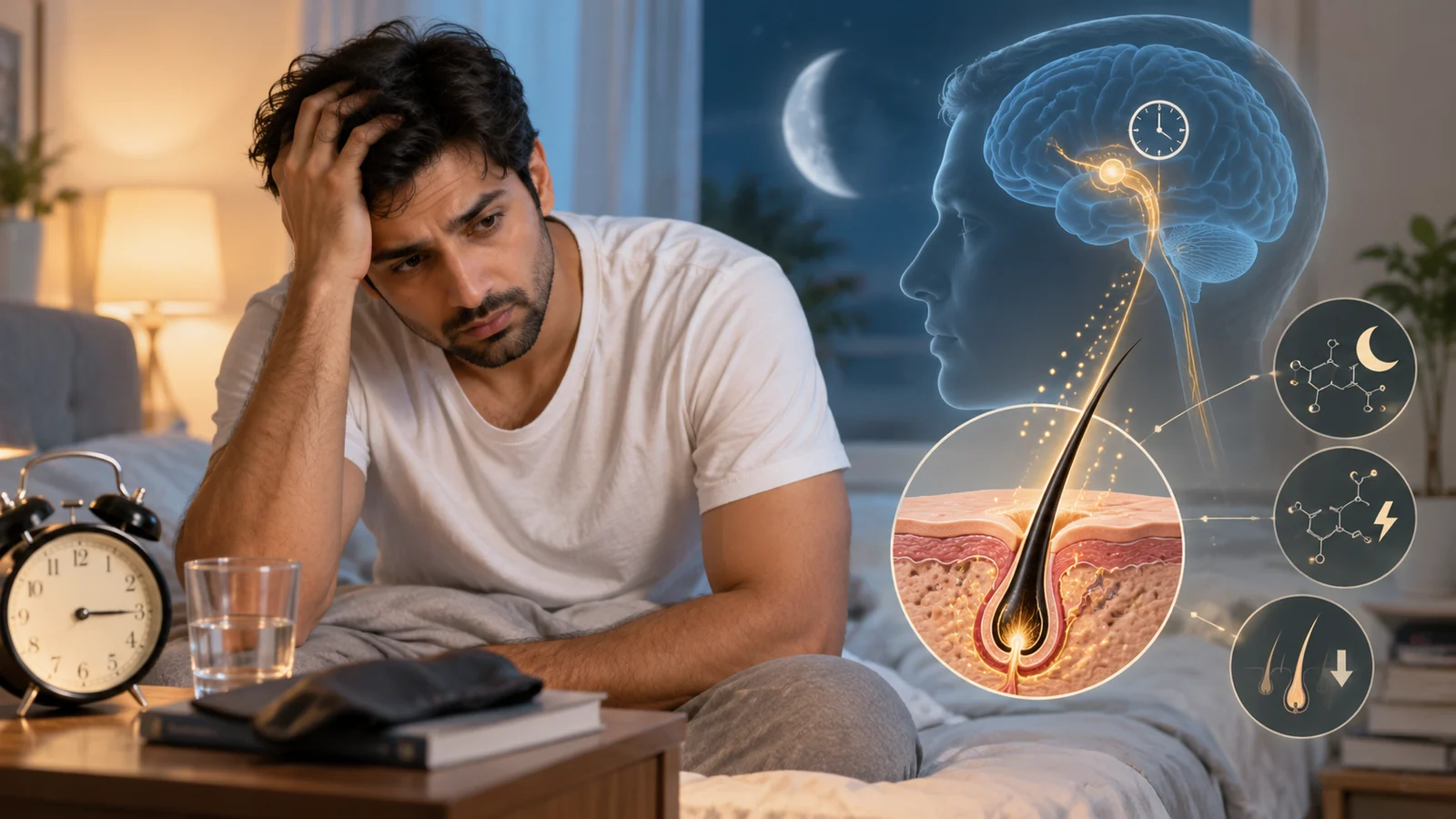
Can Sleeplessness Cause Hair Loss? — Science-Backed Facts | NeoGraft Chandigarh Punjab India
Sleep plays an important role in regulating brain regeneration, function, and the production of stem cells. It has been proved medically that disturbed sleep affects the mind and body. Memory loss, depression, and mood disorders are also found to be associated with the lack of sleep. Less sleep is also one of the reasons for…
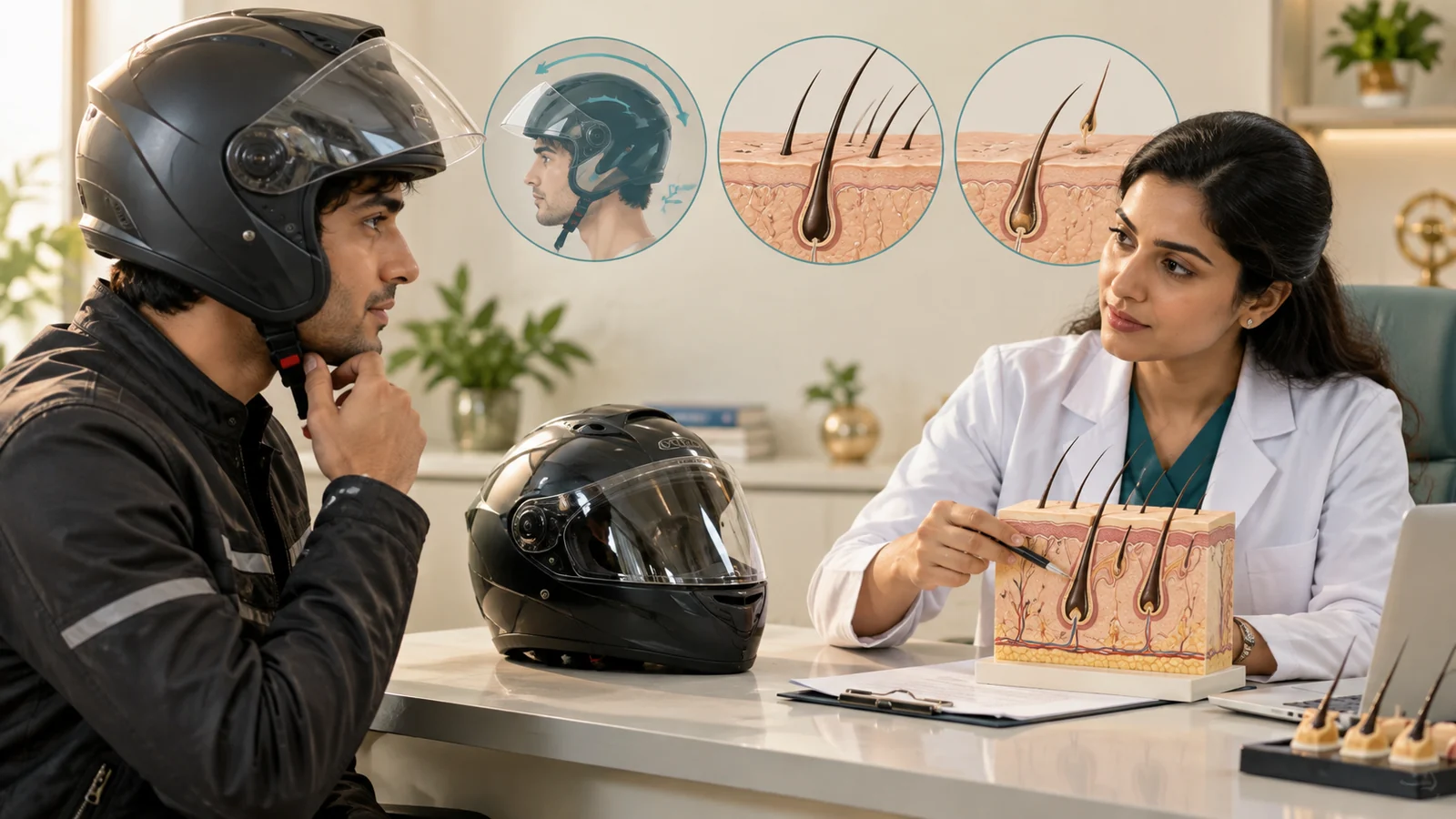
Does Wearing a Helmet Cause Hair Fall? — Expert Clinical Answer | NeoGraft Chandigarh Punjab
Safety helmets just not only protect the rider from head injuries but also help the wearer from loud noise, rain or intense sunlight which diverts concentration while riding. This question strikes every helmet wearer if regular wearing a helmet causes hair fall. If it is so, then what is the way out to prevent hair…
Normal vs. Abnormal Hair Fall — When to Worry | NeoGraft Chandigarh, Punjab & India
Understanding the Difference between Normal and Abnormal Hair Fall Hair fall is a common concern for both men and women. Losing a few strands of hair every day is considered normal, but when hair loss becomes excessive, it can be a cause of worry. Normal hair fall happens due to the hair cycle, where hair…
Complete Guide to Control Hair Fall in Chandigarh, Punjab & India | NeoGraft
Causes of Hair Fall: 1. Dietary Habits: Poor nutrition can contribute to hair loss. When the body lacks essential vitamins, minerals, and proteins, it may prioritize other bodily functions over hair growth. Inadequate intake of nutrients necessary for hair health can weaken the hair follicles and lead to excessive shedding. It is important to consume…
Premature Hair Greying — Causes, Prevention & Treatment | NeoGraft Chandigarh Punjab India
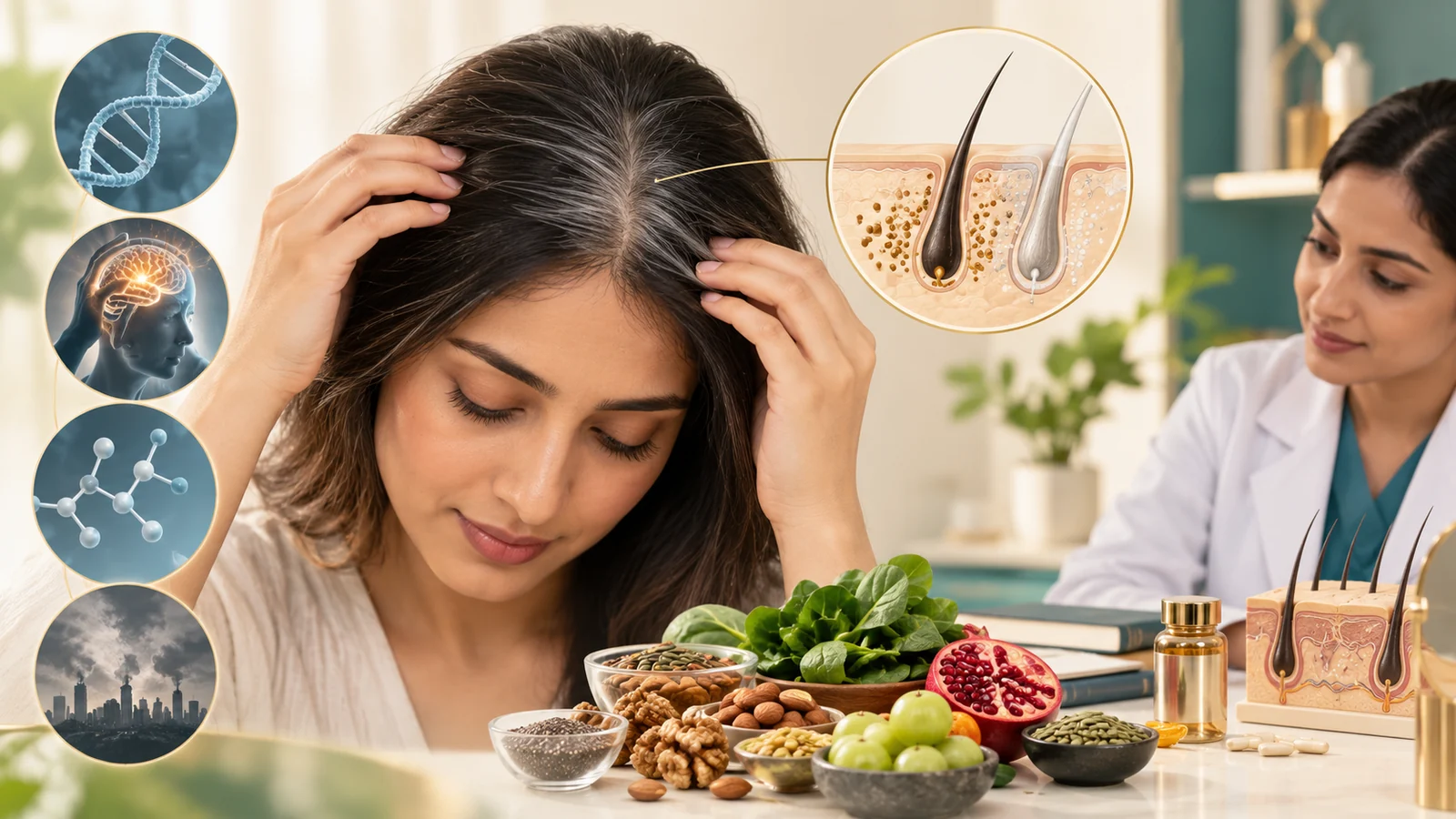
Hair graying is a natural process that occurs as we age. It is caused by a decrease in the production of melanin, the pigment that gives color to our hair, skin, and eyes. As we age, the cells that produce melanin gradually become less active and eventually stop producing it altogether. This results in the…